Vintage Woods Vol. 25 | Collection: Layered Textures for Authentic Projects
In the world of digital design, the search for backgrounds that feel genuinely tactile is a constant challenge. We often encounter textures that look artificial or overly processed, lacking the subtle imperfections that give physical materials their charm. The Vintage Woods Vol. 25 | Collection offers a different approach, merging the organic warmth of wood grain with the delicate history of vintage paper. This isn't just a set of digital files; it's a toolkit for creating projects that feel grounded, authentic, and rich with narrative. For designers, crafters, and content creators, understanding how to leverage these textures can significantly elevate the perceived quality and emotional resonance of your work.
A Study in Layered Authenticity
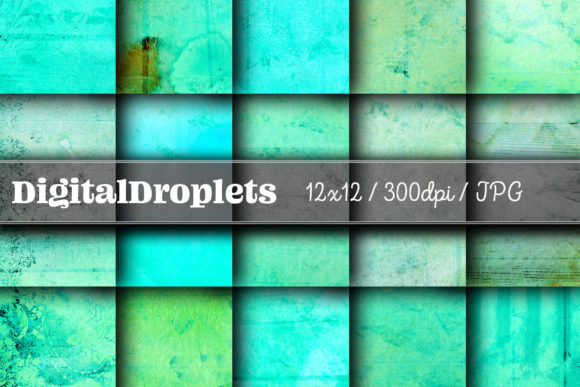
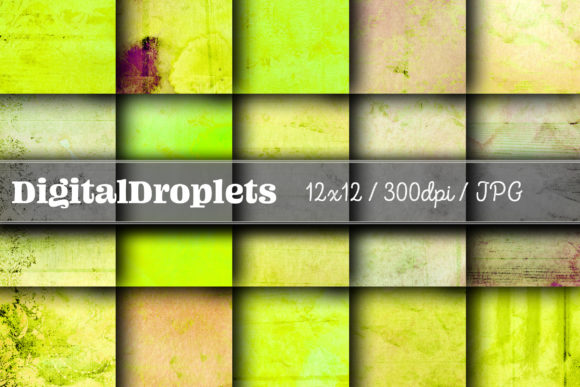
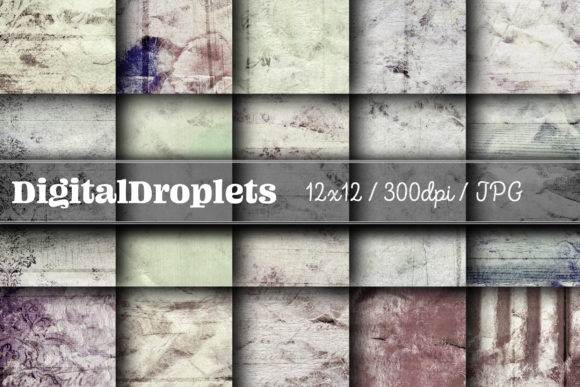
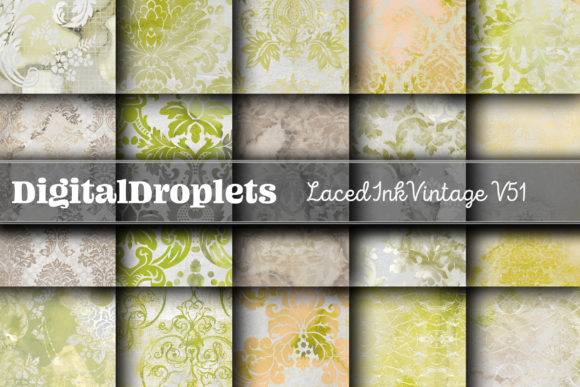
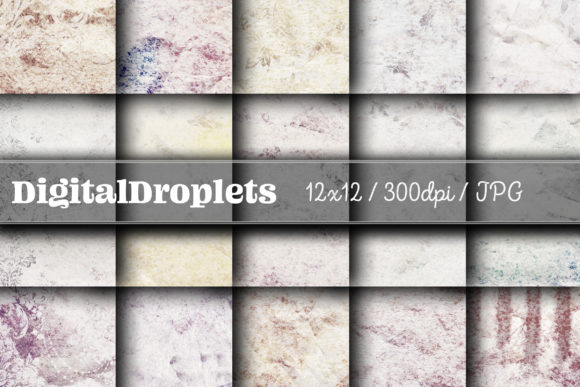
At its core, the Vintage Woods Vol. 25 | Collection is about sophisticated layering. The visual personality of these papers stems from a careful blend of distinct elements. Imagine the sturdy, linear character of wood grain, but softened and given depth by being overlaid onto aged paper. This foundation is then enhanced with subtle, fluid washes reminiscent of alcohol ink or watercolor, which bleed and blend organically across the surface. These color fields interact with underlying patterns—perhaps a faint damask scroll or the intricate geometry of lace—creating a complex, almost archaeological depth. The final touch is a hint of cardboard texture, adding a raw, utilitarian edge that prevents the design from feeling too precious. The result is a versatile aesthetic that feels both rustic and refined, capable of conveying nostalgia, warmth, durability, and creativity all at once.
Practical Applications Beyond the Scrapbook Page
While these 12x12, 300dpi JPEG files are perfect for traditional scrapbooking, their utility extends far into professional and commercial realms. As a design asset, their strength lies in their ability to provide a rich, complex background without overwhelming foreground elements.
- Brand Identity & Packaging: For brands in the artisanal, craft, or heritage space—think craft breweries, boutique bakeries, woodworking shops, or vintage clothing stores—these textures can form the cornerstone of a brand identity. Use them as the background for a logo presentation, on product packaging, or across stationery to instantly communicate a handcrafted, authentic ethos.
- Editorial & Web Design: In editorial design, such as magazine layouts, book covers, or blog headers, a texture from this collection can set a powerful mood. It works exceptionally well as a full-page background for text-heavy layouts, especially when paired with clean sans serif or elegant serif typography. The texture adds visual interest without competing with readability.
- Digital Marketing & Social Media: Create scroll-stopping social media graphics by using these papers as backgrounds for quotes, testimonials, or promotional announcements. They add a level of professionalism and artistic flair that generic solid colors or simplistic gradients cannot match, helping your content stand out in a crowded feed.
- Physical Products & Home Decor: The high resolution makes them suitable for print-on-demand products like journal covers, planner inserts, decorative art prints, or even custom washi tape designs. The textures translate beautifully to physical media, maintaining their depth and detail.
Integrating Texture into Your Design Workflow
Simply dropping one of these papers behind your project isn't always the most effective strategy. Thoughtful integration is key to achieving a polished result. First, consider the visual hierarchy. The inherent detail of the Vintage Woods texture can act as a mid-tone. To ensure your primary content—whether it's a photo, a headline, or a logo—remains the focus, you may need to adjust the texture's opacity or apply a subtle color overlay to mute its contrast. This creates a clear separation between background and foreground.
Second, think about font pairing. The rustic, vintage character of these backgrounds pairs beautifully with typefaces that have their own personality. A strong, geometric sans serif font can create a compelling modern contrast. A classic serif font can enhance the traditional feel. For a more thematic approach, a carefully chosen script font or handwritten font can echo the organic, human touch of the texture itself. Always test your combinations at the intended size to ensure readability, especially over the more detailed areas of the texture.
Finally, remember the principle of cohesion. If you're using one of these textures for a logo mockup, consider using a complementary texture from the same collection for your business card or website background. This creates a unified brand identity that feels intentional and professionally curated. The fact that this is part of a larger set means you have options for creating family resemblance across different applications.
Choosing and Testing Your Assets
When selecting a texture from a set like this, don't just choose based on a thumbnail. Download the files and examine them at 100% zoom in your design software. Look at the interplay of elements. Does the wood grain feel natural? Is the color blending seamless? Do the underlying patterns add to or distract from the overall effect? Consider the specific needs of your project. A project aiming for a soft, romantic vintage feel might benefit from a paper with more prominent lace or watercolor elements, while one emphasizing rugged authenticity might call for a version with stronger wood grain and cardboard texture.
Always be mindful of the licensing. For personal projects like a family scrapbook or a personal blog, the usage is straightforward. For commercial work—whether it's a client's logo, a product you sell, or marketing materials—ensure the license covers your intended use. Reputable asset providers make this clear, allowing you to use premium font and texture assets with confidence in your professional and commercial projects.
The Vintage Woods Vol. 25 | Collection is more than a decorative element; it's a strategic tool. By understanding its layered composition and applying it with intention, you can infuse your designs with a level of warmth, story, and tactile authenticity that resonates deeply with audiences. It bridges the gap between the digital and the physical, offering a tangible sense of place and history to any creative endeavor.