Authentic Textures: The Vintage Woods Vol. 29 Collection
In the world of digital design, there is often a struggle to find textures that feel genuinely organic. We frequently encounter digital papers that look flat or obviously manufactured. However, the Vintage Woods Vol. 29 | Collection bridges that gap between digital convenience and tactile reality. This specific release is not just a standard set of backgrounds; it is a carefully curated collection of 10 high-resolution papers designed to bring depth, history, and warmth to your creative projects.
What sets this collection apart is the complex layering process used to create the final look. The designers have taken vintage paper foundations—featuring subtle cardboard textures and intricate damask or lace patterns—and overlaid them with the fluidity of alcohol ink and watercolor washes. The result is a wood texture that feels organic rather than rigid. It captures the essence of reclaimed barn wood or aged flooring but softens it with artistic flair. For designers seeking a background that tells a story, the Vintage Woods Vol. 29 | Collection offers a visual narrative of time and artistry.
Visual Character and Aesthetic Appeal
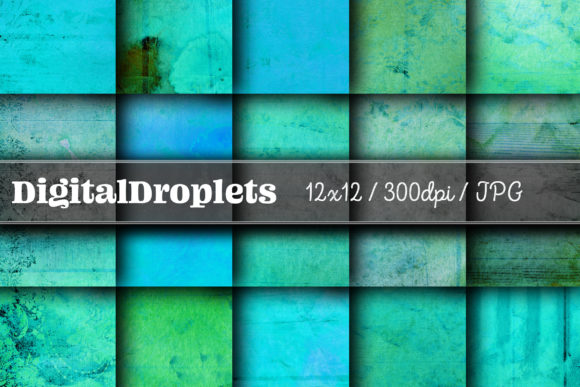
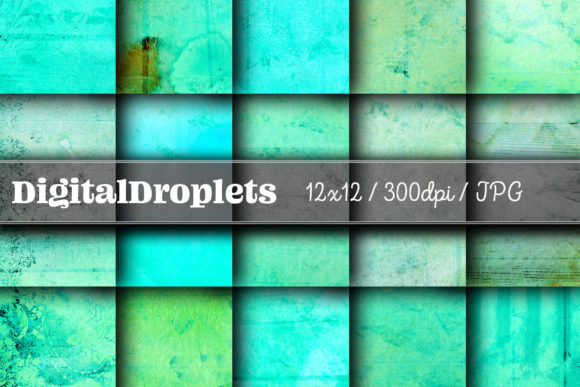
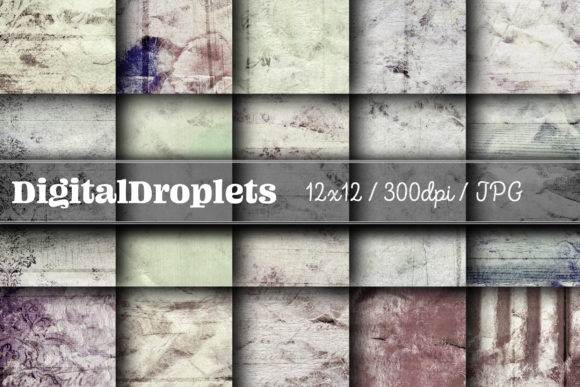
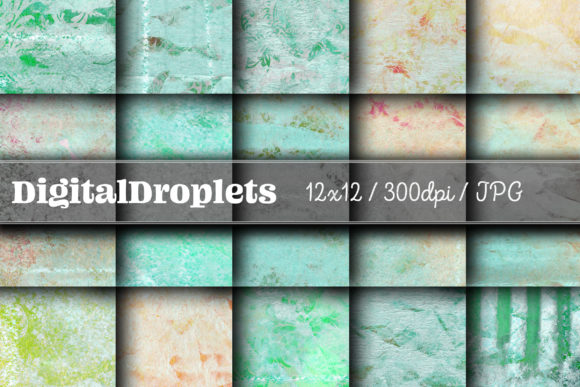
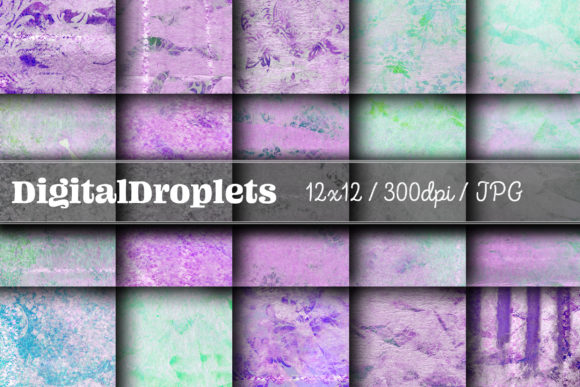
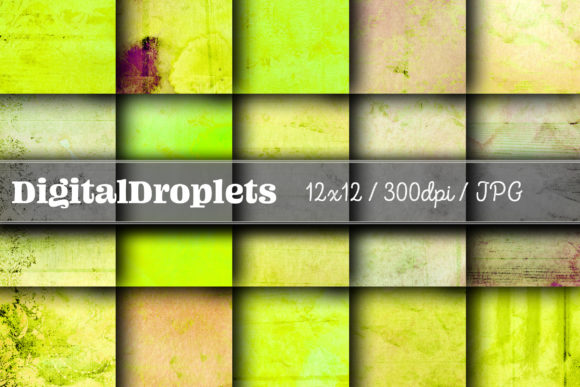
When you first open the files in the Vintage Woods Vol. 29 | Collection, you will notice the warmth of the palette. These are not cold, sterile digital renders. The textures exhibit the rich, earthy tones associated with aged timber, but the overlay of ink and color adds a layer of sophistication. You will see hints of color bleeding through the grain, mimicking the unpredictable nature of real watercolors on porous surfaces.
The "personality" of this set is distinctly rustic yet refined. It manages to balance the ruggedness of wood with the elegance of the underlying damask and lace patterns. This duality makes it incredibly versatile. It can serve as a rugged backdrop for a masculine, industrial design, or it can provide a cozy, shabby-chic foundation for a wedding invitation. The 300dpi resolution ensures that even when zoomed in, the grain and the subtle paper textures remain crisp. This level of detail is crucial for high-quality print work, ensuring that your final product looks professional and premium.
Practical Applications for Modern Creators
As a creative professional, you need design assets that work hard. The Vintage Woods Vol. 29 | Collection is engineered to be a workhorse in your digital library. Its 12x12 inch format makes it the industry standard for digital scrapbooking, but its utility extends far beyond that niche.
For those involved in editorial design and packaging design, these textures offer an immediate solution for creating "eco-friendly" or "artisanal" branding without the need for expensive photoshoots. Imagine using these wood textures as the background for a coffee brand’s social media graphics or a bakery’s menu design. The texture implies quality and craftsmanship.
Here are several practical ways to integrate this collection into your workflow:
- Junk Journals and Collage: The blend of watercolor and wood makes these papers perfect for digital junk journals. They provide a visually interesting "table" for your ephemera, stickers, and vintage photos.
- Web and Blog Design: In web design, texture adds dimension. Use these papers as full-width backgrounds to break the monotony of flat, minimalist UI trends. They work exceptionally well for lifestyle blogs, travel portfolios, or antique shop websites.
- Physical Crafts: If you print these papers for physical projects, they are excellent for creating custom washi tape, gift wrap, or card bases. The high resolution ensures that the ink will sit beautifully on the paper, mimicking a custom print.
- Photography Overlays: Photographers can use these textures as overlays in Photoshop. Blending a wood texture over a portrait or a still life can add a vintage, painterly feel to the final image.
Integrating Texture into Brand Identity
When developing a brand identity, consistency is key. However, consistency should not mean monotony. The Vintage Woods Vol. 29 | Collection allows you to maintain a cohesive aesthetic across different platforms while varying the specific visual elements.
For a brand that values authenticity—perhaps a handmade jewelry business, a restoration workshop, or a heritage clothing line—this collection provides a foundation of trust. The wood texture suggests stability and tradition, while the vintage paper overlays suggest history. Using these elements in your social media graphics helps build a recognizable visual language. When your audience sees that distinct blend of watercolor and grain, they will immediately associate it with your brand’s ethos.
Furthermore, consider the role of texture in logo design and typography presentation. While you wouldn't necessarily set body text on a busy wood background, using these textures to frame a logo or create a textured background for a header image can significantly boost audience engagement. It creates a focal point that draws the eye, making your modern typography stand out against an organic backdrop.
Design Guidance and Best Practices
To get the most out of the Vintage Woods Vol. 29 | Collection, it is helpful to consider how texture interacts with other design elements. Here are some professional recommendations for working with these assets:
- Typography Pairing: Because the background is intricate, you need to ensure your text remains legible. Avoid using overly detailed script fonts or handwritten fonts directly on the wood grain. Instead, opt for clean sans serif fonts for body text. If you want to use a display font or serif font for headlines, consider placing a semi-transparent shape (like a white box with reduced opacity) behind the text to ensure readability.
- Color Harmony: Look at the subtle undertones in the papers. If the watercolor washes lean towards teal or sepian, try to pull those colors into your text or graphic elements. This creates a cohesive color palette that feels intentional rather than accidental.
- Layering Techniques: Don't just use these papers as flat backgrounds. Experiment with layer masks. You can use the wood texture to fill text shapes or use it as a clipping mask for photos to create a rustic photo frame effect. This adds depth to your scrapbook pages and digital art.
Licensing and Commercial Use
One of the most important aspects of using premium fonts and textures is understanding the license. The Vintage Woods Vol. 29 | Collection is designed to be a commercial font and asset resource. This means you are free to use these backgrounds in projects you sell, such as printed merchandise, client websites, or digital planners.
However, as with any design asset, always review the specific terms provided by the creator. Generally, you cannot resell the digital files themselves, but the end-products you create using them are yours to monetize. This makes the collection a safe and valuable investment for small business owners and freelancers who need to protect their clients and their own work.
The collection is sold as a set of 10 papers, which is a portion of a larger 20-paper release. This allows you to sample the style and quality before committing to the full set, or simply choose the variation that best fits your current project needs.
Conclusion
The Vintage Woods Vol. 29 | Collection is more than just a set of digital files; it is a versatile toolkit for adding soul to your designs. Whether you are building a brand identity from scratch, designing a junk journal, or creating wall art, these textures provide the perfect blend of ruggedness and elegance. By incorporating these high-quality backgrounds into your workflow, you elevate your work from simple digital arrangements to immersive, tactile experiences.