Unearthing Texture: The Vintage Woods Vol. 21 Collection
In a digital landscape often dominated by sterile vectors and flat colors, there is a persistent longing for the tangible. We crave the grain of real wood, the soft bleed of watercolor, and the history embedded in old paper. The Vintage Woods Vol. 21 | Collection answers that call, offering a sophisticated blend of organic textures designed for creators who want their digital projects to feel lived-in and authentic. This isn’t just a set of backgrounds; it is a toolkit for storytelling, merging the rustic warmth of timber with the delicate artistry of vintage stationery.
A Symphony of Mixed Media Textures
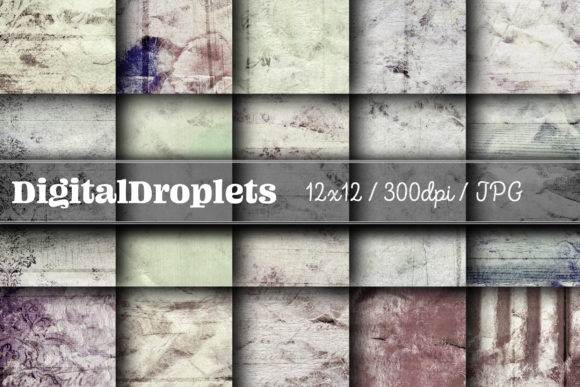
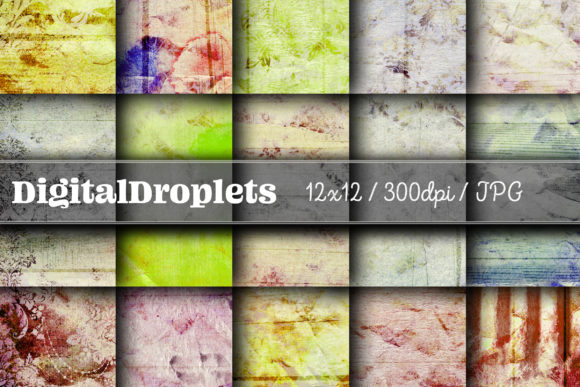
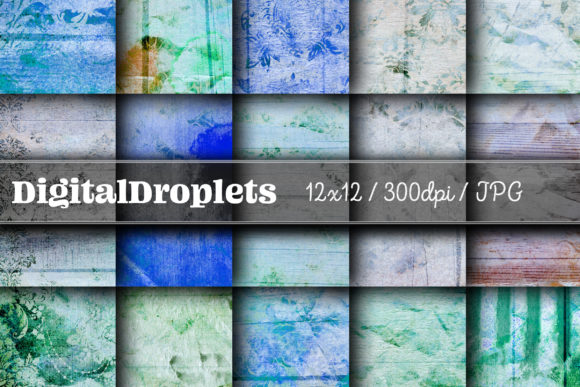
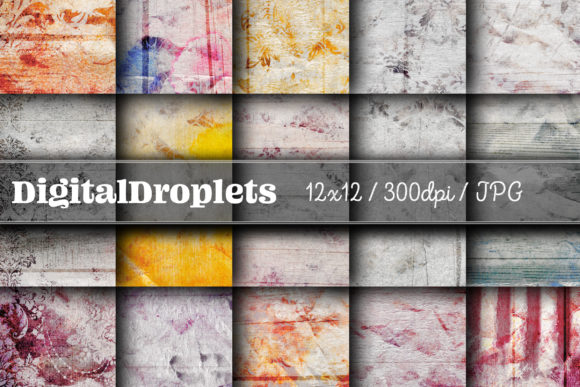
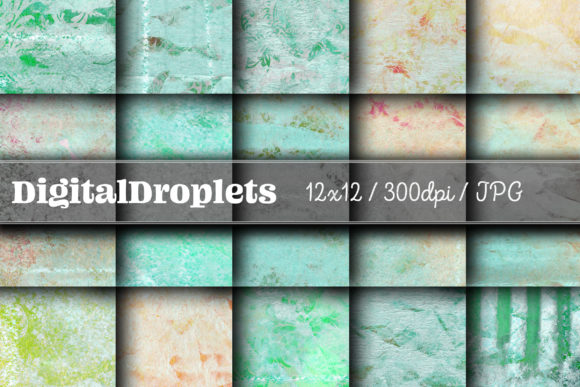
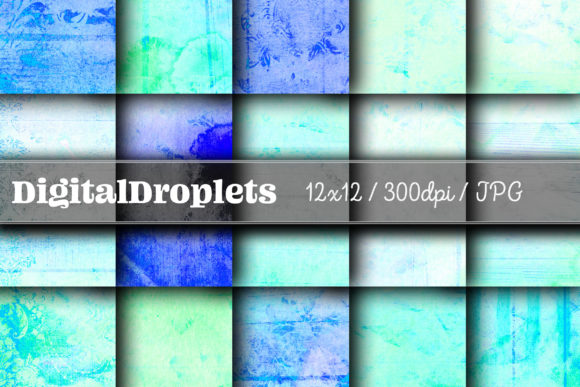
At the heart of this collection lies a complex layering process that sets it apart from standard digital assets. The visual personality of the Vintage Woods Vol. 21 | Collection is defined by its depth. Imagine the rich, weathered grain of wood serving as the foundation, overlaid with the subtle crinkle of vintage paper. On top of that, you will find the fluid, unpredictable beauty of alcohol ink and watercolor washes blending seamlessly into damask and lace patterns.
This combination creates a "mixed media" aesthetic that feels incredibly high-end. The cardboard textures add a layer of industrial grit, grounding the ethereal watercolors. For designers, this complexity is a massive advantage. It means you don't have to build your own texture stacks. The visual hierarchy is already established for you: the wood provides structure, the lace provides elegance, and the ink provides a pop of modern artistic flair. Whether you are working on a brand identity for a boutique candle maker or designing packaging design for artisanal goods, these textures convey a message of handcrafted quality.
Practical Applications for the Modern Creator
The true value of a premium font or texture set lies in its versatility. The Vintage Woods Vol. 21 | Collection is specifically engineered to serve a wide array of industries, functioning as a robust design asset rather than a one-trick pony.
For the scrapbooker and junk journaler, these papers are the perfect foundation. They eliminate the need for physical cutting and gluing, offering a digital canvas that mimics the look of a mixed-media art journal. Use them to create digital washi tape strips, intricate frames, or full-page backgrounds that anchor your memories in a timeless aesthetic.
However, the utility extends far beyond personal crafting. Small business owners and marketers can leverage these textures to create tangible connections with their audience:
- Social Media Graphics: In a feed of polished, high-gloss images, a textured, wood-grain background stops the scroll. It adds warmth to quotes, announcements, and blog design headers.
- Invitations and Stationery: For weddings, rustic events, or boutique branding, these papers offer a sophisticated backdrop for script fonts or clean sans serif fonts.
- Web Design: Use these textures as subtle background images for websites. They add character without overwhelming the content, particularly for lifestyle blogs, photography portfolios, or heritage brands.
- Print on Demand: The high resolution nature of these files (300dpi) makes them suitable for physical products like greeting cards, gift wrap, and even wall art prints.
Integrating Texture into Your Brand Identity
When building a brand identity, consistency is key. The visual tone of your materials tells your audience who you are before they read a single word. The Vintage Woods Vol. 21 | Collection projects a personality that is nostalgic, grounded, and creative. It suggests a brand that values tradition but isn't afraid of artistic expression.
Consider how these textures influence audience engagement. A flat, white background is functional, but it is emotionally neutral. A background featuring the subtle grain of wood and the bleed of watercolor ink evokes emotion. It creates a sensory experience that can make photography backdrops feel more intimate and home decor mockups feel more realistic.
For those working in editorial design, these papers serve as excellent "anchors" for text-heavy layouts. If you are designing a magazine spread or a planner sticker sheet, the texture helps break up the visual monotony of standard typefaces. It allows you to create visual hierarchy naturally—the textured area draws the eye, signaling importance or separating distinct sections of content.
Tips for Pairing and Production
To get the most out of this set, it helps to think about font pairing. Because the backgrounds are busy and textured, you want to choose typography that stands up to the visual noise without getting lost.
Avoid using delicate, thin serif fonts or overly complex handwritten fonts as your primary body text, as the texture might make them difficult to read. Instead, opt for bold, clean lines:
- Bold Sans Serifs: A heavy, geometric sans serif font creates a modern contrast against the vintage background. This works exceptionally well for headlines and logo design overlays.
- Slab Serifs: These have the structural integrity to sit confidently on top of wood textures, making them great for editorial design and headers.
- Simple Scripts: If you want to maintain the vintage vibe, use a legible script font for accents or sub-headers, but ensure it is sized large enough to remain readable against the damask patterns.
When incorporating these assets into your workflow, remember that they are part of a larger ecosystem. While this set offers 10 distinct variations, they are curated to work harmoniously together. You can mix and match papers within the same project—using a darker wood grain for a header and a lighter watercolor blend for the body—to maintain visual consistency while introducing variety.
The Vintage Woods Vol. 21 | Collection is more than just a digital paper pack; it is a bridge between the digital and the physical. By utilizing these textures, you bring the warmth of the tangible world into your creative font projects, ensuring your designs resonate with depth, history, and professional polish.