Rusted Flow Leaves Vol. 4: A Textured Designer's Toolkit
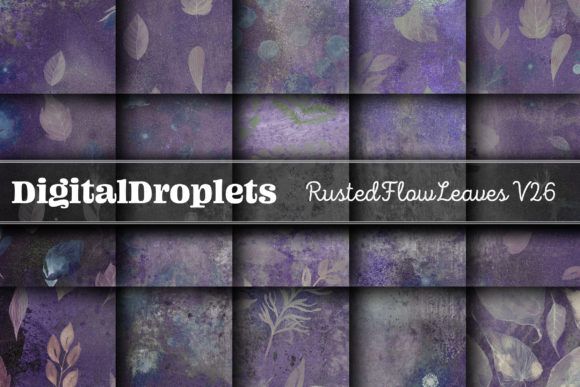
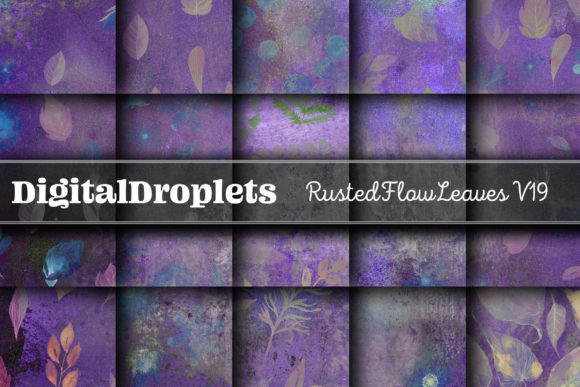
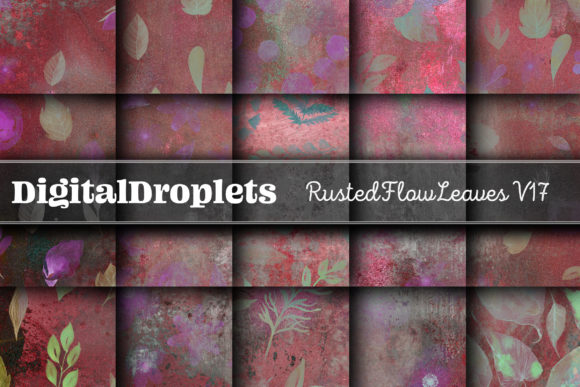
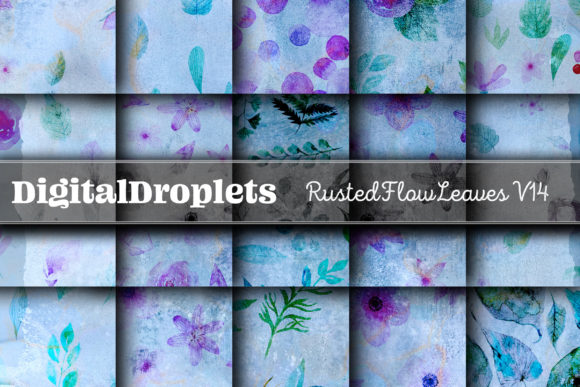
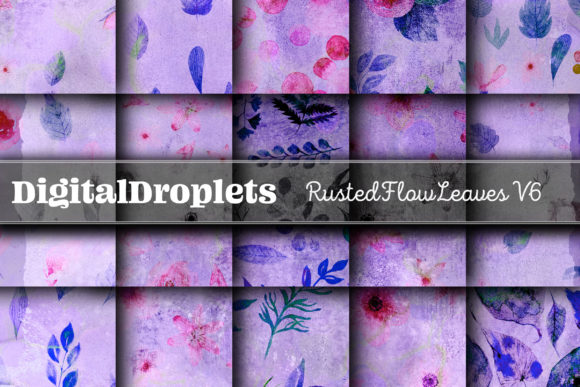
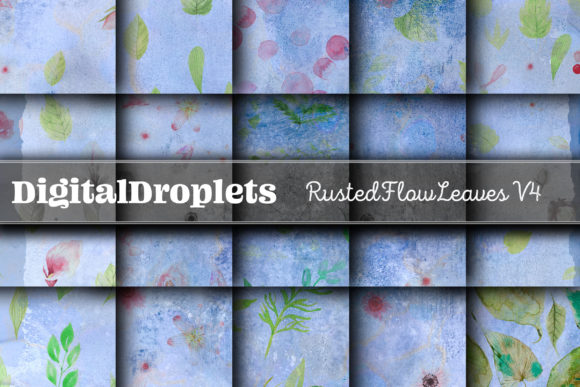
Finding the right design assets often feels like a compromise between visual impact and practical utility. Many packs offer a handful of usable options, leaving you to hunt for more to complete a cohesive project. The Rusted Flow Leaves Vol. 4 | Collection addresses this common frustration directly. This isn't just a set of backgrounds; it's a comprehensive toolkit built around a distinct, grungy aesthetic with organic flair. The core offering, a 12x12 Paper Set of 20 papers, provides a substantial volume of high-quality textures at an exceptional value, essentially doubling the content of a standard pack. Each paper in this collection is a carefully crafted layer of scratchy textures blended over rust-style foundations, crowned with delicate blossom and leaf patterns. Every single piece also features its own unique border, adding an immediate, finished frame to your work.
The Visual Language: Grunge Meets Nature
The personality of the Rusted Flow Leaves Vol. 4 | Collection is unmistakable. It speaks in a language of weathered authenticity and subtle decay, softened by the resilience of nature. The rust elements provide a warm, industrial base—think sun-baked metal, aged copper, or oxidized steel. Over this, scratchy, gritty textures add a tactile, handmade quality that digital work often lacks. The defining feature, however, is the overlay of blossoms and leaves. This isn't pristine floral art; it's nature reclaiming the surface. The patterns are integrated, not pasted on, creating a harmonious tension between the industrial and the organic. This visual style is perfect for projects that need to feel grounded, lived-in, and rich with narrative. It avoids sterile perfection, embracing instead the beauty of imperfection and the passage of time. This makes it a powerful creative font alternative—not a typeface, but a textural language for your visual hierarchy.
Where This Collection Truly Shines
Understanding the strengths of the Rusted Flow Leaves Vol. 4 | Collection means looking beyond its immediate beauty to its practical applications. Its value lies in its versatility across a spectrum of projects.
- Digital Branding & Marketing: For brands that lean into artisanal, rustic, or heritage themes—think craft breweries, boutique bakeries, or handmade goods—these papers can form the backbone of a brand identity. Use them as backgrounds for social media graphics, website hero images, or email newsletter headers. They instantly establish a mood that’s authentic and textured, helping a logo design or promotional graphic stand out in a sea of clean, minimalist feeds.
- Publishing & Editorial Design: In editorial design, these textures are gold. They serve as compelling backgrounds for magazine layouts, book covers (especially for genres like historical fiction, poetry, or nature writing), and interactive PDFs. The built-in borders can frame pull quotes or author bios, adding a layer of sophisticated detail without extra work.
- Physical Crafts & Products: This is where the collection excels for crafters and small business owners. The papers are ideal for creating unique packaging design elements—think box sleeves, product tags, or wrap for artisanal soaps and candles. For scrapbooking and junk journaling, the 20-paper set offers endless variety, ensuring no two pages look alike. The grungy aesthetic is perfect for memory-keeping projects that celebrate real, imperfect moments.
- Web & UI Design: Used judiciously, these textures can add depth to a web design project. They work beautifully as section backgrounds on a long-form website, as texture overlays on cards or buttons, or as atmospheric elements in a site’s visual storytelling. The key is to pair them with clean, readable typography—like a simple sans serif font—to maintain clarity and contrast.
Practical Guidance for Implementation
Adopting a strong textural collection like this requires a thoughtful approach to maintain professionalism and readability. Here’s how to integrate it effectively.
Evaluating Project Fit and Readability
First, consider your project’s core message. The Rusted Flow Leaves Vol. 4 | Collection communicates warmth, history, and a handmade sensibility. It may not align with a sleek, futuristic tech startup, but it’s perfect for a wellness blog, a vintage-inspired online store, or a local artisan’s portfolio. Always test readability. Place your primary text—whether it’s a script font for a headline or a serif font for body copy—over the background. Ensure there is sufficient contrast. Often, using these papers as a partial background, a sidebar, or a banner element, rather than a full-page fill, is the most effective strategy for modern typography layouts.
Font Pairing and Design Harmony
The collection’s textured nature means your font choices are critical. A highly detailed display font or an overly ornate handwritten font might compete for attention. Instead, let the background texture be the star and choose complementary typefaces. A sturdy serif font for headings can echo the traditional feel, while a clean sans serif font for body text ensures your message remains front and center. For a more organic feel, a simple script font with good readability can work for accents. Think of it as building a font pairing system where the texture is the foundational layer.
Maximizing Your Investment
The inclusion of 20 unique high-resolution JPEG files at 300dpi is a significant advantage. It allows for extensive use in both digital and high-quality print projects without repetition. Before starting a large project, like a photography backdrop series or a set of wall art, review all 20 papers. Group them by dominant color (rust, green, neutral) or texture intensity. This helps maintain visual consistency across a series of social media graphics or a cohesive product line. The commercial license typically included with such premium font and asset packs means you can use these designs for client work and products for sale, making it a sound investment for professionals.
Ultimately, the Rusted Flow Leaves Vol. 4 | Collection is more than a set of pretty papers. It’s a strategic asset for designers and creators who want to inject authentic, textured personality into their work efficiently. Its strength lies in its volume, its cohesive yet varied aesthetic, and its ability to serve as a foundational element that elevates everything from a planner sticker to a full brand identity system. By understanding its visual language and applying it with thoughtful typography, you can unlock its full potential to create work that feels both professionally crafted and deeply human.