GoldenVintageGarden Vol. 20: Your Digital Toolkit for Layered Texture
In the world of digital design, depth is often the deciding factor between a layout that looks flat and one that truly captivates an audience. Whether you are a scrapbook enthusiast preserving memories, a graphic designer building a brand identity, or a blogger curating a mood board, the background sets the stage for your entire composition. The GoldenVintageGarden Vol. 20 | Collection addresses this need for depth and sophistication, offering a set of digital papers that function less like simple backgrounds and more like foundational design assets.
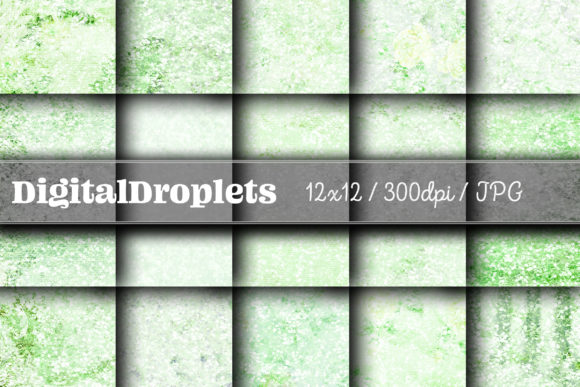
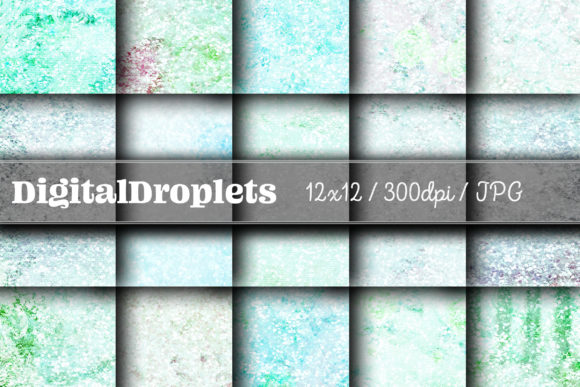
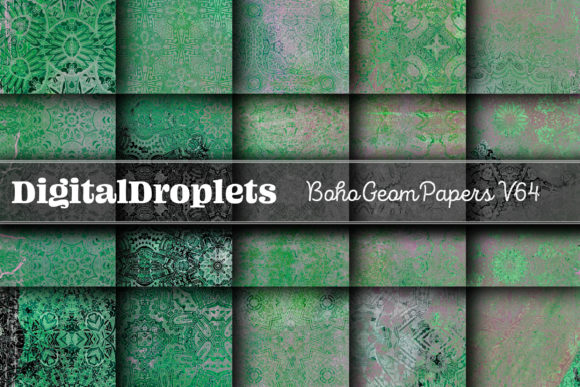
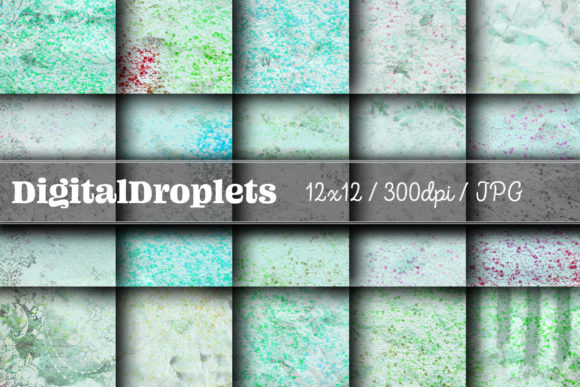
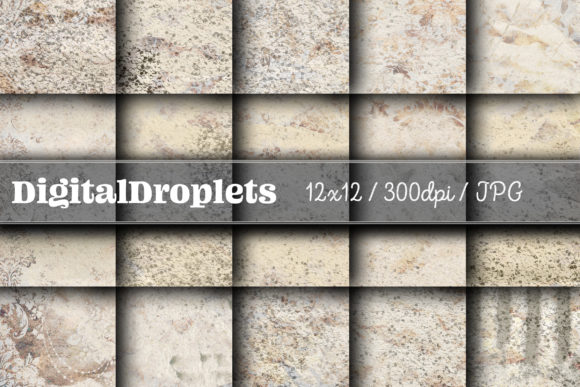
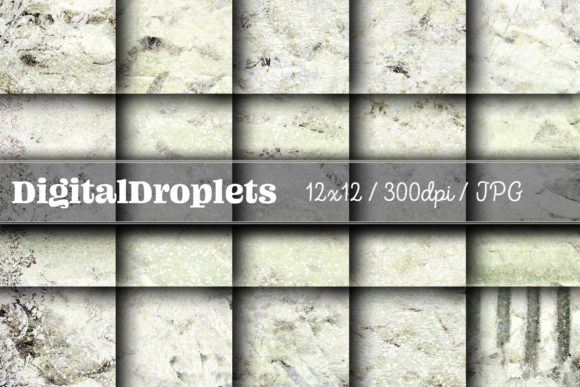
At first glance, this collection presents a complex visual personality. It is not merely a set of patterns; it is a study in texture blending. The foundation of the 12x12 paper set relies on classic vintage motifs—ornate damask and intricate lace patterns. However, what makes this specific volume stand out is how these traditional elements are treated. Overlaid on these patterns are subtle glitter textures and raw cardboard finishes. The result is a surface that feels tactile, even when viewed on a screen. The designers have utilized digital techniques that mimic the behavior of alcohol inks and watercolors, blending these elements into the fibers of the "paper" to create a layered effect. This provides a level of visual hierarchy that is difficult to achieve with a single flat color or a standard image.
The Anatomy of the Texture: Understanding the Visual Style
When evaluating design assets, it is crucial to understand the specific visual language they speak. The GoldenVintageGarden Vol. 20 leans heavily into a "shabby chic" aesthetic, but it avoids feeling dated by incorporating modern texturing techniques. The damask patterns provide a sense of history and elegance, while the cardboard textures ground the design in something earthy and organic.
The "glitter" element here is worth noting for professional use. In many collections, glitter can look artificial or overpowering. In this set, the shimmer is described as subtle. This is a practical distinction for designers. It suggests that the texture can be used as a background for typography or photography without creating "visual noise" that makes text unreadable. For entrepreneurs creating product packaging or social media graphics, this balance is essential. You want the background to suggest luxury and attention to detail without competing with the call to action or the main message.
Practical Applications: From Junk Journals to Brand Identity
The versatility of the GoldenVintageGarden Vol. 20 | Collection is one of its strongest selling points. Because the files are high-resolution (300dpi), they are suitable for both digital and print applications. This dual-purpose nature makes them a valuable addition to a creative professional's library.
For the scrapbooker and crafter, these papers serve as immediate backgrounds for photo albums. The vintage style complements sepia-toned or black-and-white photography exceptionally well. The textures also lend themselves perfectly to the "junk journal" aesthetic, where the goal is to create a book that looks aged and full of history. You can use these papers to create custom envelopes, tags, and washi tape strips that coordinate perfectly with the main pages.
For graphic designers and brand strategists, the applications are just as broad. If you are working on a brand identity for a boutique, a bakery, or a wedding planner, these textures can be used to create stationery sets, business cards, and letterheads. The subtle nature of the pattern allows for logo design overlays. In web design, these textures can be cropped and tiled to create website headers or sidebar backgrounds that add warmth to a digital space, moving away from sterile, flat minimalism.
Design Strategy: Pairing and Hierarchy
Using a textured background effectively requires a strategic approach to typography and layout. When incorporating the GoldenVintageGarden Vol. 20 into your projects, consider the following design observations:
- Contrast is King: Because the background features intricate lace and damask, your primary text needs to stand out. Using a bold sans-serif font for headlines can create a striking contrast against the ornate vintage background. This pairing—modern typography against classic textures—is a staple in contemporary editorial design.
- Legibility Testing: Always test your text placement. Since these papers have "subtle glitter textures," ensure that your body copy is placed over the less busy areas of the design if the text is small. For larger display fonts, you can often overlay them directly onto the pattern for a dramatic effect.
- Color Harmony: The watercolor and ink blending suggests a specific color palette. When choosing accent colors for your project—whether for buttons on a website or ribbons in a scrapbook—pull colors directly from the paper set to ensure a cohesive look.
Technical Considerations for Creators
From a technical standpoint, the GoldenVintageGarden Vol. 20 | Collection is built for production. The inclusion of 10 high-resolution JPEG files at 12x12 inches and 300dpi means these are print-ready. This is particularly important for content creators who sell physical goods, such as printable planners, greeting cards, or wall art. You do not need to worry about pixelation or loss of quality when scaling these images for standard print sizes.
It is also worth noting the modular nature of the collection. The listing notes that these 10 papers are part of a larger 20-paper set. For designers working on a large-scale project—such as a wedding invitation suite with multiple inserts or a comprehensive marketing campaign—having access to the full collection allows for greater variety while maintaining a strict aesthetic consistency. You can use one texture for the envelope liner, another for the card background, and a third for the thank-you note, all while knowing they belong to the same visual family.
Conclusion
The GoldenVintageGarden Vol. 20 | Collection