Golden Vintage Garden Vol. 30: Textured Paper Collection
When you're building a brand or creating a physical product, the background often does the heavy lifting. It’s the unsung hero that sets the mood before a single word is read or a specific image is viewed. For those of us working in vintage aesthetics, finding backgrounds that look authentic rather than digitally forced can be a challenge. This is where the GoldenVintageGarden Vol. 30 | Collection comes into play. It’s not just a set of digital files; it’s a toolkit for adding tactile depth and historical weight to your projects.
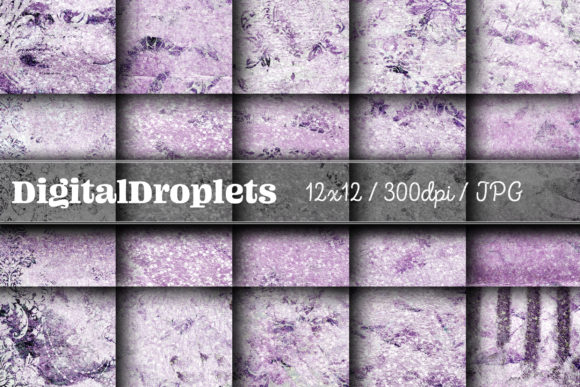
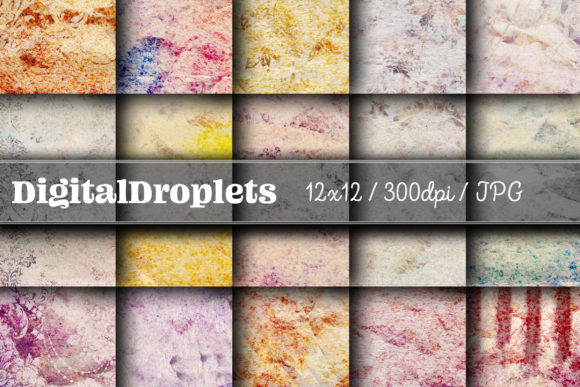
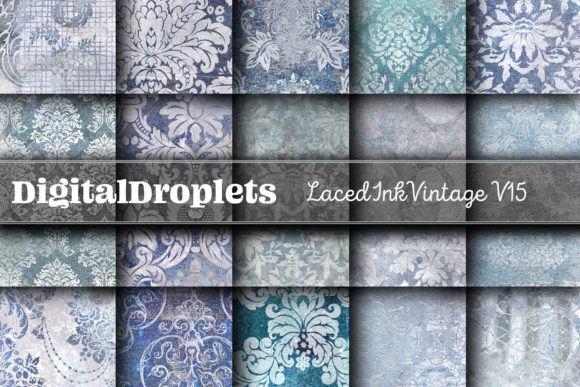
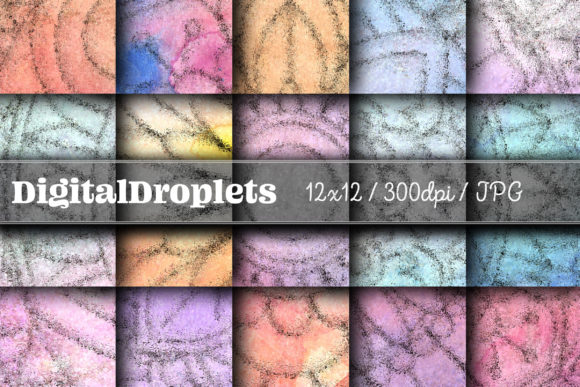
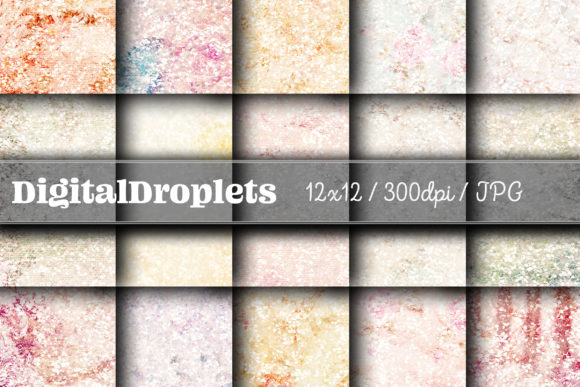
At its core, this collection is a 12x12 paper set consisting of 10 high-resolution JPEGs. But describing them merely by their dimensions misses the point. These are vintage-style backgrounds that utilize a complex layering technique. You have the structural foundation of damask and lace patterns mixed with raw cardboard textures. Overlaid on this are subtle glitter textures, which add a touch of elegance without crossing into the territory of cheap digital sparkle. Finally, the design incorporates alcohol ink or watercolor textures, blended carefully to create a sense of history and artistic depth.
The Anatomy of the Aesthetic
Understanding the visual personality of GoldenVintageGarden Vol. 30 helps you decide where it fits in your workflow. This isn't a flat, modern minimalist design. It is rich, layered, and organic. The inclusion of cardboard textures suggests a "junk journal" or mixed-media art style, which is incredibly popular right now in packaging design and editorial design. It feels grounded and real.
However, the addition of damask patterns and watercolor bleeds elevates the style. It moves from "rough craft" to "vintage luxury." This duality is what makes it a versatile design asset. Whether you are a scrapbooker preserving family memories or a marketer trying to evoke a sense of heritage for a boutique brand, these textures provide the necessary visual language. The "Golden" in the title implies a warmth—a sepia-toned, nostalgic feeling that connects with audiences looking for authenticity in an increasingly digital world.
Practical Applications for Designers and Creators
One of the biggest mistakes creatives make with premium fonts or textured backgrounds is pigeonholing them into one specific niche. While the GoldenVintageGarden Vol. 30 | Collection is obviously perfect for scrapbooking, its utility extends far beyond the craft table. Here is how you can leverage these assets across different mediums:
- Digital Branding and Web Design: If you are building a website for a bakery, a boutique hotel, or an antique dealer, these textures work beautifully as section backgrounds. They break up the monotony of solid white or grey blocks. Because the files are 300dpi, they are crisp even on high-resolution retina screens, ensuring your web design looks professional.
- Social Media Graphics: The algorithm loves engagement, and textured backgrounds stop the scroll. Use these papers behind quotes, testimonials, or product shots on Instagram and Pinterest. The subtle glitter catches the light, adding a dynamic element to static images.
- Physical Marketing Materials: For business cards, invitations, or greeting cards, texture implies quality. Using a background from this set can make a standard cardstock feel like a bespoke letterpress job. It adds a layer of tactile illusion that cheap, flat prints lack.
- Junk Journals and Mixed Media: For the hobbyist or content creator in the physical space, these are ideal for creating envelopes, tags, and washi tape strips. The layered effect mimics the look of actual mixed-media art without the drying time.
Integrating with Typography and Brand Identity
A background is only as good as the foreground elements placed upon it. When working with the GoldenVintageGarden Vol. 30 collection, your choice of typography is critical. Because these papers have a lot of visual texture (lace, ink, glitter), you need a typeface that can stand its ground without getting lost.
Avoid using very thin, delicate sans serif fonts or light script fonts directly on top of the busiest parts of these textures. Instead, consider using a bold serif font or a heavy display font for headers. This creates a strong visual hierarchy. For body text, you might need to place a semi-transparent shape or a solid color block behind the text to ensure readability. This technique allows the vintage aesthetic to shine while maintaining the professionalism required for brand identity materials.
Font Pairing Strategies
Think about contrast. If your background is ornate and vintage, a clean, modern sans serif font can actually look striking and intentional. It signals to the viewer that this is a modern brand with a vintage soul, rather than a brand that is simply outdated. Conversely, pairing these textures with a handwritten font or a script font works well for personal projects like wedding invitations or holiday cards, provided you use a drop shadow or an outline to separate the text from the lace patterns.
Evaluating Project Fit and Technical Specs
Before you commit to using the GoldenVintageGarden Vol. 30 | Collection, it is worth running a quick compatibility check with your project scope. The files are 12x12 inches at 300dpi. This is the industry standard for high-quality print production. It ensures that if you scale these backgrounds for wall art or large photography backdrops, they will not pixelate.
However, keep in mind the file format. These are JPEG files. While JPEGs are universally compatible with every software from Adobe Photoshop to Canva and Microsoft Word, they do not support transparency. This means you cannot simply drop a lace pattern over another image and expect the background to disappear. You will need to use blending modes (like Multiply or Overlay) in your design software to integrate these textures seamlessly with other design assets.
Commercial Licensing and Usage
For entrepreneurs and small business owners, the distinction between personal and commercial use is vital. While this article focuses on the creative application, always verify the specific licensing terms provided by the creator. Generally, these types of asset packs allow for commercial use in physical end products (like printed cards or journals) or flattened digital products (like a social media post). However, you usually cannot resell the raw files themselves. Understanding this protects your business and respects the artist's work.
Maximizing the "Golden" Appeal
The "Golden" aspect of this collection suggests warmth and value. When you are designing a logo or brand identity system using these textures, lean into color palettes that complement the existing tones. Earth tones, deep burgundies, navy blues, and creams work exceptionally well. These colors ground the design and enhance the "vintage garden" feel.
Don't be afraid to use these papers for blog design elements, such as sidebar backgrounds or header banners. In a digital landscape dominated by flat design, adding a subtle textured background to your blog can significantly increase the time users spend on your site. It creates an atmosphere—a "place" for the reader to inhabit—rather than just a wall of text.
Final Thoughts on Versatility
The true value of the GoldenVintageGarden Vol. 30 | Collection lies in its ability to bridge the gap between digital convenience and the tactile beauty of traditional art. It saves you the hours of scanning actual lace, mixing watercolors, and applying gold leaf. Instead, you get the distilled essence of that aesthetic, ready to be applied to planner stickers, gift wrap, home decor, or a complete rebrand.
Whether you are a seasoned graphic designer looking for new textures to add to your library, or a hobbyist wanting to elevate your next junk journal, this set offers a robust foundation. It provides the depth, the history, and the quality required to make your work stand out. By combining these backgrounds with thoughtful typography and smart layout choices, you can create designs that feel timeless, authentic, and deeply engaging.