Boho Geom Papers Vol. 36: A Designer's Guide to This Versatile Collection
When you're building a brand or crafting a project, the background isn't just filler—it's the foundation of your entire visual story. I’ve spent years working with design assets, and I can tell you that a well-chosen background paper does more than just sit behind your subject. It sets the mood, directs the eye, and communicates a specific aesthetic without a single word. The Boho Geom Papers Vol. 36 | Collection is a perfect example of an asset that understands this principle. It’s not just a set of patterns; it's a curated toolkit for creating depth and character.
Understanding the Visual Personality
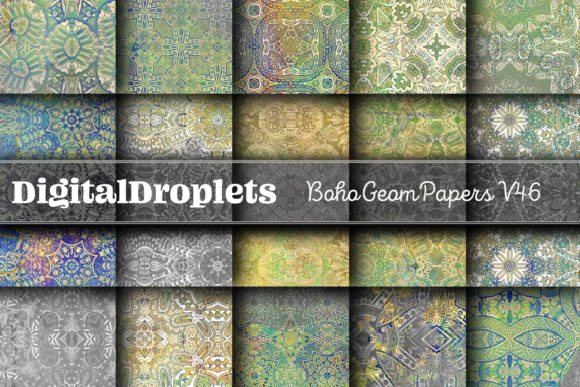
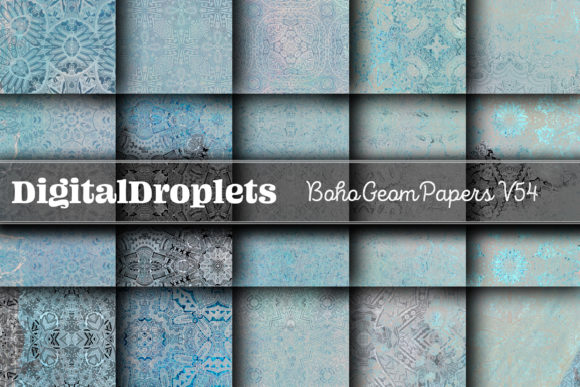
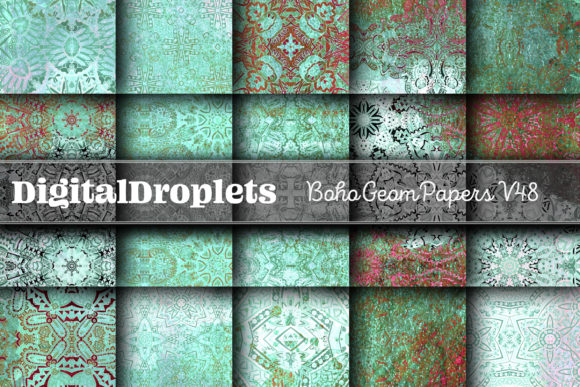
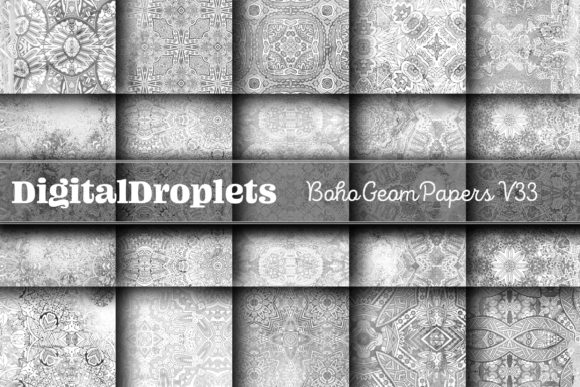
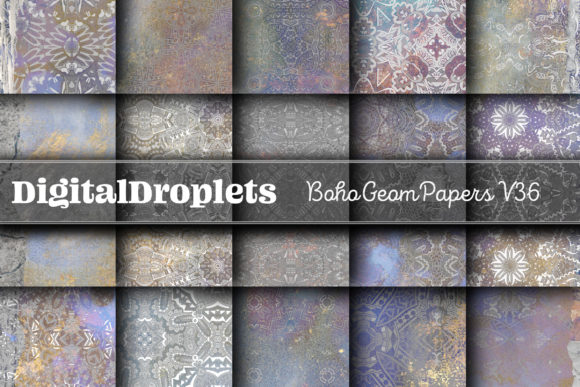
At first glance, this collection feels familiar, yet distinctly fresh. The core of the Boho Geom Papers Vol. 36 | Collection is its clever fusion of two opposing design philosophies: the rigid, mathematical precision of geometric patterns and the soft, unpredictable flow of bohemian style. You get mandala-inspired layouts, but they aren't harsh or clinical. Instead, they are softened by a foggy alcohol ink or watercolor texture overlay. This blend creates a visual tension that is incredibly engaging—it feels both structured and organic at the same time.
What really sets these papers apart, and what I find most practical for real-world use, is the treatment of the borders. Each of the 10 papers in the set features a unique border that mimics natural textures like wood or stone. This is a subtle but powerful design choice. It gives your layouts an immediate sense of authenticity and grit, moving away from the flat, digital look that can sometimes plague graphic design. Whether you're designing a retro scrapbook page or a modern digital invitation, these textures provide a tactile quality that makes the final product feel more substantial.
Practical Applications for Modern Creators
So, where does a collection like this actually fit into your workflow? The versatility of the Boho Geom Papers Vol. 36 | Collection is its strongest selling point. As a designer or content creator, you need assets that can adapt to different mediums without losing their impact. Here is where I see these papers working best:
- Scrapbooking and Junk Journals: This is the most obvious use case, and for good reason. The 12x12 inch format at 300dpi is the industry standard for physical scrapbooking. The "foggy" aesthetic is perfect for layering photos, ephemera, and journaling blocks without the background competing for attention. It provides a cohesive, nostalgic vibe that works beautifully for memory keeping.
- Brand Identity and Packaging: For small business owners, especially those in the wellness, handmade, or lifestyle sectors, these patterns are gold. Imagine using a textured segment of one of these papers as the background for a product label or a business card. It instantly communicates a brand identity that is grounded, artistic, and thoughtful. It pairs exceptionally well with both serif fonts for a classic look and handwritten fonts for a more personal touch.
- Digital Marketing and Web Design: In the digital space, texture is often missing. Using these papers as backgrounds for social media graphics, blog headers, or website sections can break up the monotony of flat color blocks. The geometric elements provide enough structure to ensure readability, while the watercolor textures keep the visual experience soft and inviting.
- Stationery and Printables: Think beyond the obvious. These papers are fantastic for creating custom washi tape designs, envelope liners, greeting cards, and even planner stickers. The retro scrapbook feel translates perfectly to stationery, making everyday items feel special and curated.
Design Strategy: Pairing and Hierarchy
Using a textured, patterned background effectively requires a bit of strategic thinking. The goal is to maintain a clear visual hierarchy so your main message doesn't get lost. When working with the Boho Geom Papers Vol. 36 | Collection, I recommend focusing on contrast and simplicity in your foreground elements.
Because the backgrounds have a lot of visual interest—mandalas, geometric lines, and ink textures—you want your typography and focal points to be clean. This is where your choice of typeface becomes critical. A bold sans serif font works wonders for headlines, offering a modern, legible counterpoint to the ornate background. If you are going for a more editorial or vintage feel, a classic serif font with high contrast will look elegant against the stone or wood-textured borders.
Avoid using overly decorative script fonts or complex handwritten fonts directly on top of the busiest parts of the pattern. Instead, use solid-colored shapes or semi-transparent overlays to create a "safe zone" for your text. This ensures your message is readable while still allowing the beautiful details of the paper to frame your content. It’s about balance—letting the background support your design rather than overpower it.
Evaluating Fit and Consistency
One of the practical considerations when choosing design assets is how well they integrate with your existing toolkit. The creator of this collection notes that the Boho Geom Papers Vol. 36 | Collection is designed to work seamlessly with the Boho Geo Papers Collection. This is a huge advantage for maintaining brand consistency. If you’ve already established a visual language using the smaller-layout geometric papers, you can now expand your repertoire with these larger, more textured versions without clashing styles.
Before committing to a full project, I always recommend doing a quick test. Take one of the JPEG files and drop it into your current design software. See how it interacts with your logo, your brand colors, and your preferred font pairings. Does the wood texture feel too rustic for your modern brand? Or does it add the perfect amount of warmth? Does the geometric pattern align with the energy of your content?
Ultimately, the value of a collection like this lies in its ability to solve problems. It provides a quick, high-quality solution for backgrounds that need to feel premium and intentional. Whether you are a photographer looking for a unique backdrop, a blogger designing a media kit, or a crafter putting together a gift for a friend, these papers offer a professional finish that elevates the entire project. They bridge the gap between digital precision and organic artistry, making them a versatile staple for any creative’s library.